What Is the DEFRA Digital Waste Tracking Mandate?
DEFRA is requiring all businesses that handle controlled waste to record waste movements digitally. Here's what's changing, who's affected, and when.
DEFRA is requiring all businesses that handle controlled waste to record waste movements digitally rather than on paper. The rollout is in two phases with different mandatory deadlines, affecting different parts of the waste industry.
Two phases, two deadlines
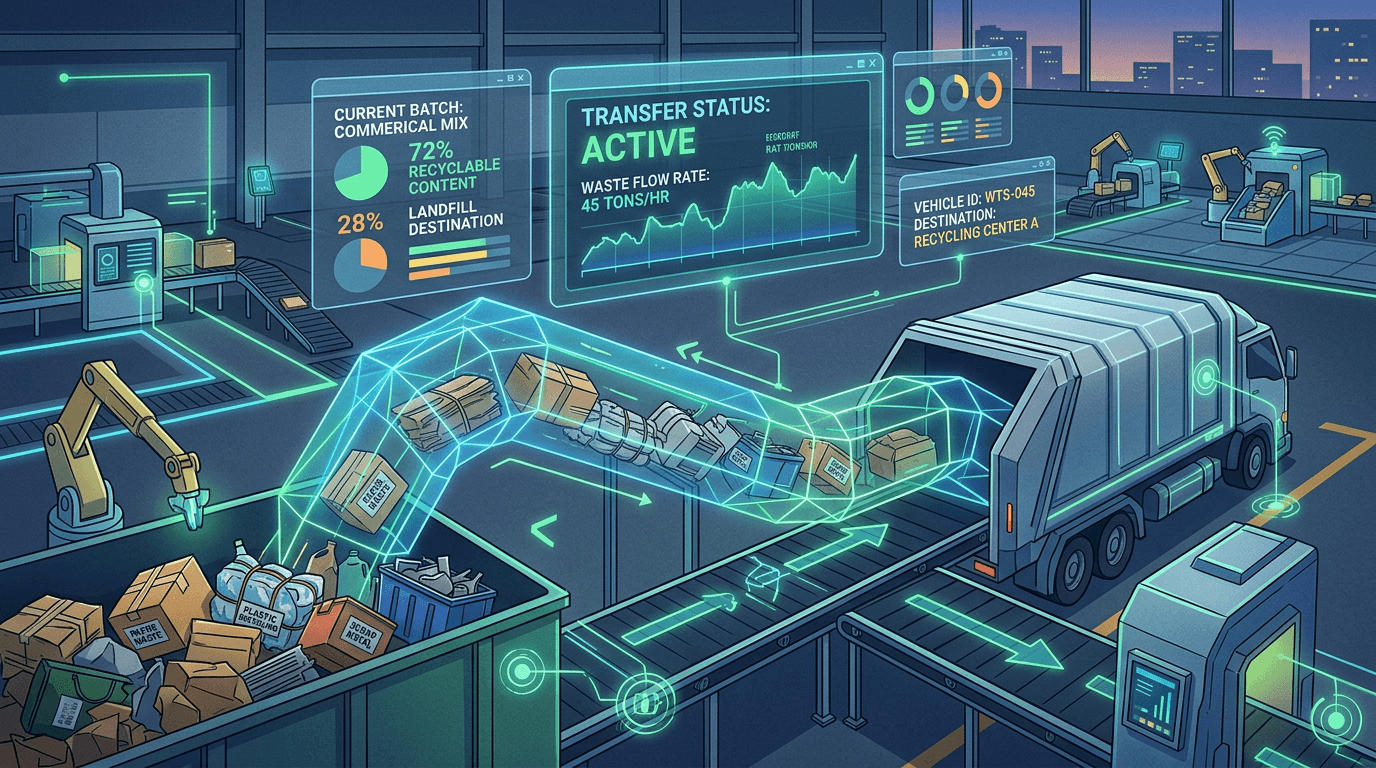
Phase 1 — October 2026: Waste receiving sites (facilities with permits or licences to accept waste) must submit digital records of every incoming waste load to DEFRA's Receipt of Waste API. This covers England, Wales, and Northern Ireland. Scotland follows in January 2027.
Phase 2 — October 2027: Waste collectors — carriers, brokers, and dealers — must comply with full digital waste tracking.
| Date | Milestone |
|---|---|
| Autumn 2025 | Private beta invitations for waste receivers |
| Spring 2026 | Public beta open to all permitted/licensed receiving sites |
| October 2026 | Mandatory for waste receiving sites (England, Wales, Northern Ireland) |
| January 2027 | Mandatory for waste receiving sites (Scotland) |
| Autumn 2026 | Private beta begins for waste collectors |
| Spring 2027 | Public beta for all waste collectors |
| October 2027 | Mandatory for all waste collectors |
What DEFRA's system does
DEFRA has published a Receipt of Waste API for submitting movement records. It accepts structured JSON for every waste load: EWC codes, carrier registration numbers, quantities, container types, and disposal or recovery codes. It validates the format and assigns a waste tracking ID.
That's where its scope ends. The API accepts data — it doesn't verify carriers, classify waste, or generate documents. Software integrating with it needs to produce that structured, validated data upstream.
What this means for software providers
If you build waste management software, you need to integrate with DEFRA's Receipt of Waste API. That requires your system to produce two things in particular: valid EWC codes and confirmed carrier registration numbers for every waste movement. DEFRA's API doesn't do either — they're your responsibility before submission.
Where WasteCheck fits
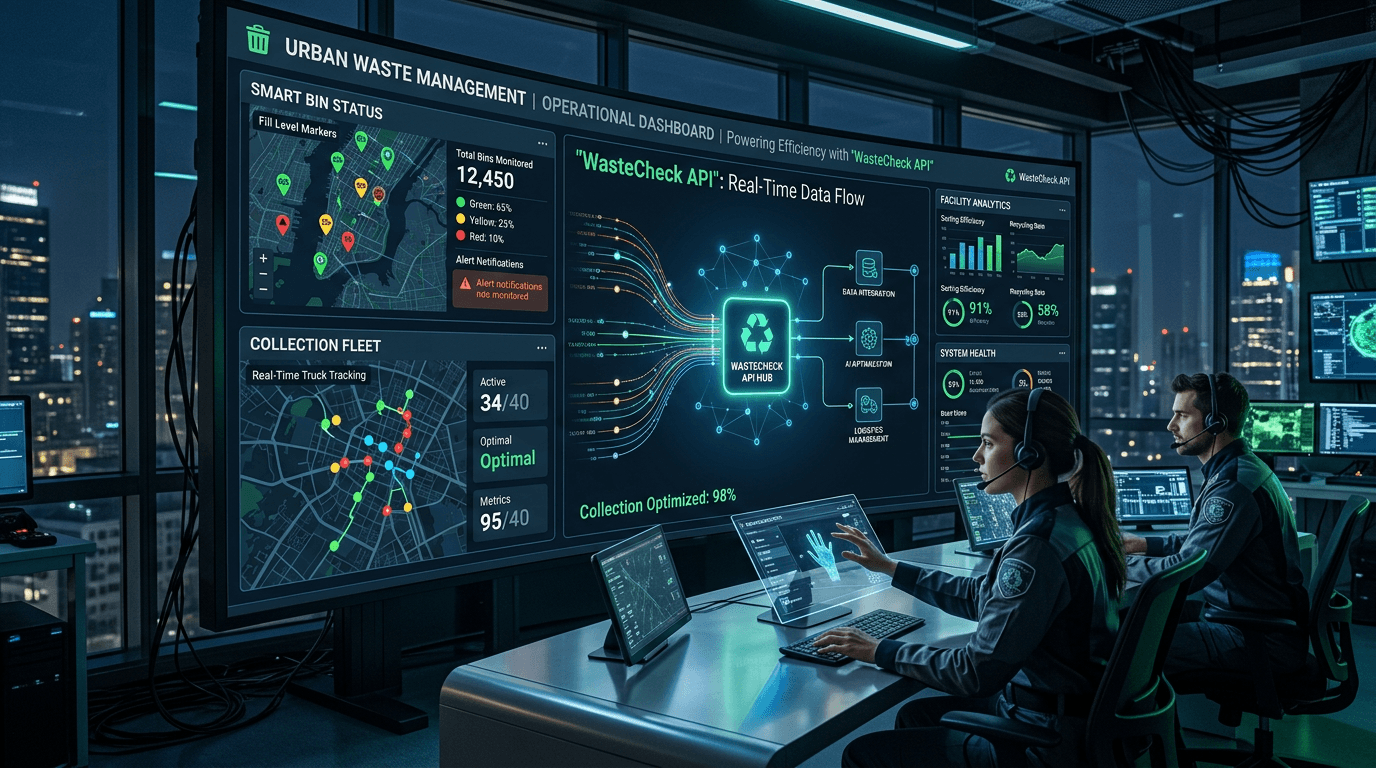
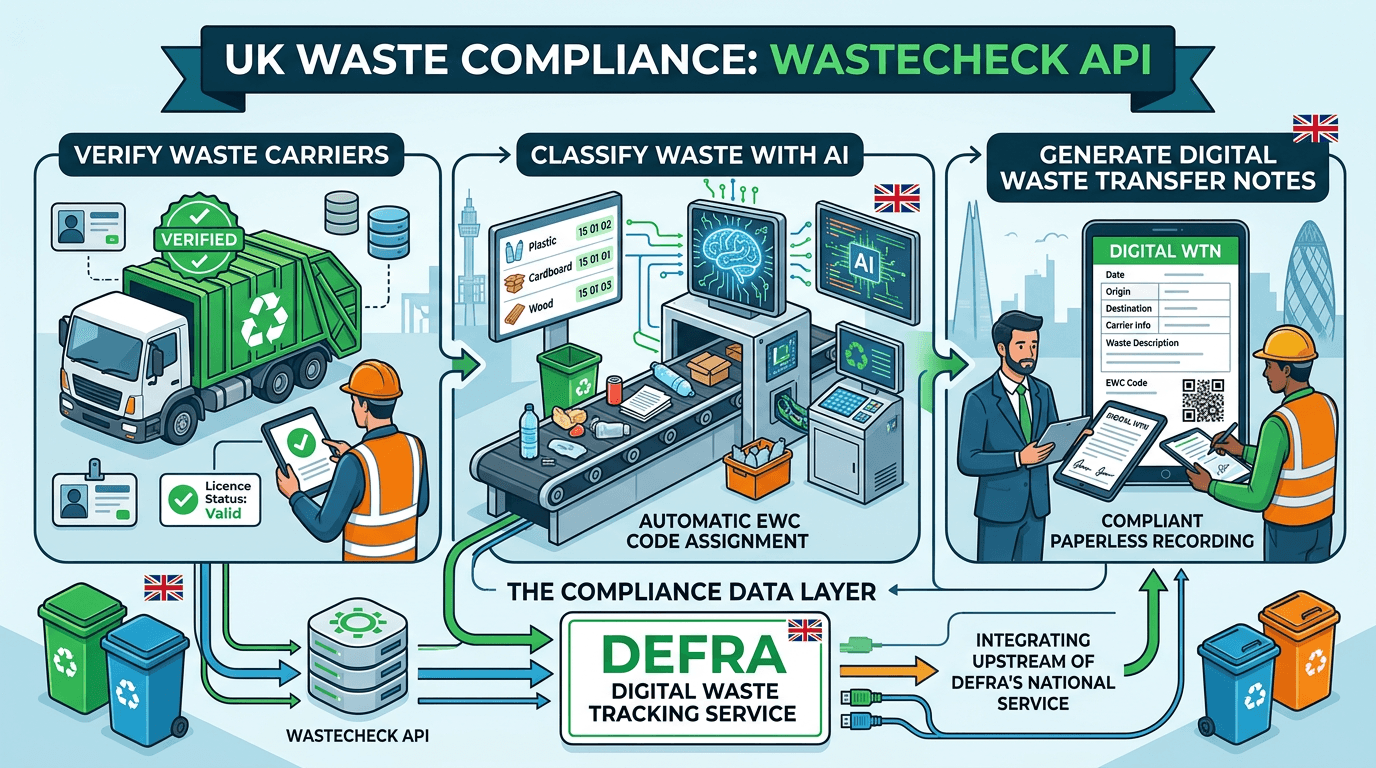
WasteCheck handles the upstream compliance work. It verifies waste carriers against the Environment Agency register, classifies waste descriptions into EWC codes using AI, and generates structured digital Waste Transfer Notes. The output maps directly to the fields DEFRA's API requires as input.
The integration path becomes: capture the waste movement data, call WasteCheck to classify and verify, then submit the structured result to DEFRA.
DEFRA's own documentation
DEFRA's API specification, data definitions, and developer resources are published at defra.github.io/waste-tracking-service. Software providers can register interest in the private beta through the same site.
Get started with WasteCheck
Sign up at app.wastecheck.co.uk — the free tier (50 calls/month) lets you test the integration before committing. Full documentation at docs.wastecheck.co.uk.
Try WasteCheck for free
50 API calls per month on the free tier. No credit card required.
Get your API key